







Search Results for: retained grounds from grinding
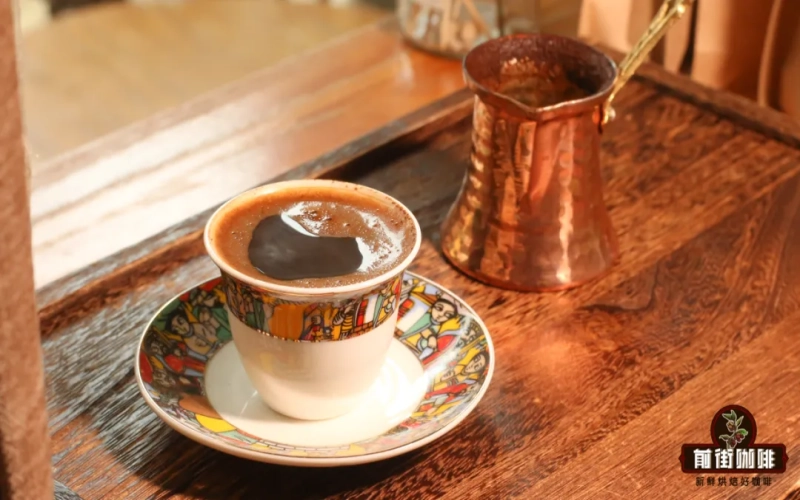
Why does Turkish coffee deliberately retain the coffee grounds? An analysis of the ultra-fine grind and the no-filter tradition
In an era where filter brewing devices are highly popular, Turkish coffee still insists on being consumed with the grounds, powder and all. This is not backwardness or laziness, but rather something shaped jointly by its sand-brewing extraction method, extremely fine grind size, and deep cultural tradition. From the perspective of Front Street, this article explains why Turkish coffee is not filtered: just how fine its grind really is, how it differs from espresso grounds, how the coffee powder quickly settles in a short time and gives the coffee a rich mouthfeel, and the fortune-telling custom that has arisen from keeping the grounds, helping you fully understand the logic behind this unique coffee culture. [more…]
How long can ground coffee retain its flavor after grinding? Brewing performance and storage tips for pre-ground coffee for pour-over
Grinding coffee beans in advance is a compromise many coffee lovers make when conditions are limited. But how long ground coffee retains its flavor is something many people don't know. Front Street conducted a controlled experiment for this: the same Panama Boquete Geisha was ground and sealed separately, then brewed at 14 days, 21 days, and 30 days to observe the bloom expansion, foam state, drawdown speed, and final flavor. The results showed that with good sealing and minimal bag opening, ground coffee can still deliver clear floral and fruity notes about three weeks after grinding; after a full month, the aroma is almost gone, leaving only the basic taste of coffee. The article also offers practical advice on portioning and sealing at the end. [more…]
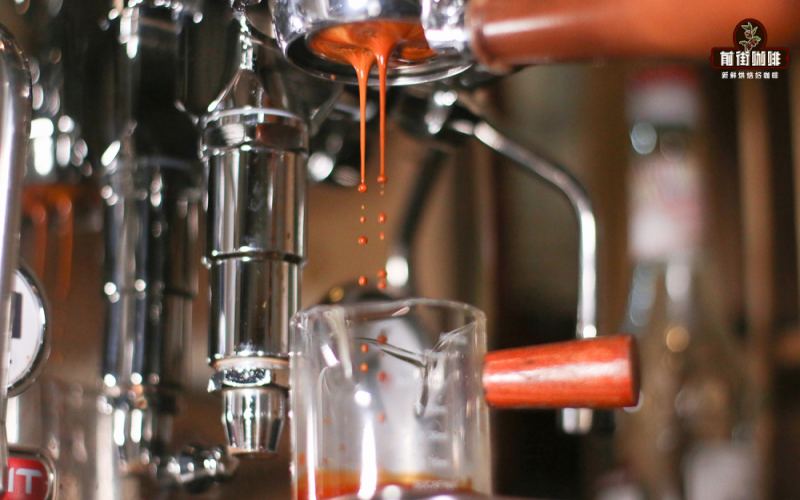
How to Adjust the Grind Size for Espresso? A Complete Parameter Guide from Dose and Ratio to Flow Rate
Espresso extraction is far more sensitive than pour-over, and any slight deviation in parameters will be multiplied in the flavor. Drawing on the practical experience of Front Street Coffee, this article systematically outlines the six core variables that affect espresso extraction—dose, brew ratio, extraction time, flow rate, extraction pressure, and extraction temperature—to help you understand how grind size should be adjusted and judged. At the same time, the article also explains in depth operational details such as weighing the grounds, distributing the grounds, tamping, machine extraction, and cleaning, and analyzes easily overlooked issues such as retained grounds and dosing grind errors. Whether you are a beginner just getting into espresso or an enthusiast hoping for consistent output, you can find actionable adjustment ideas here. [more…]
A Comprehensive Analysis of Espresso Extraction: Water-to-Coffee Ratio, Golden Parameters, and Key Operational Points Explained
The extraction of espresso is extremely sensitive to parameters, with dose, brew ratio, time, flow rate, pressure, and temperature all interconnected; the slightest deviation is magnified exponentially in the flavor. This article systematically sorts out the core logic of various espresso extraction parameters, analyzing the matching of basket capacity and dose, the liquid weight ratio range of 1:1.5 to 1:2.5, the extraction window of 20 to 30 seconds, as well as common issues such as grind size and channeling. It also details operational specifics like weighing the dose, distributing the grounds, tamping, and cleaning. At the end, Front Street Coffee recommends a classic espresso blend to help you consistently produce delicious espresso at home. [more…]
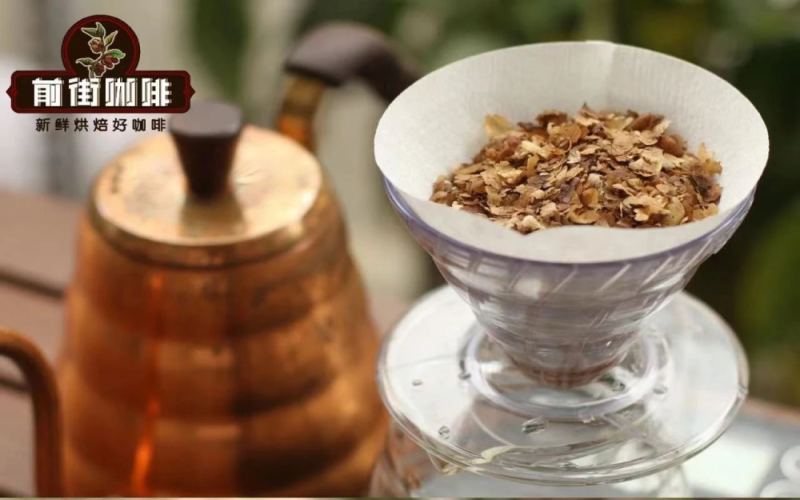
A Beginner's Guide to Choosing Single-Origin Black Coffee Beans for Pour-Over: Does Coffee Chaff Really Interfere with Flavor?
Many pour-over enthusiasts, after grinding coffee beans, feel uneasy when they notice silver skin remaining in the grounds—will these white flecks bring astringency and ruin a cup's cleanliness? Starting from the actual testing of Front Street Coffee's baristas, this article first clarifies the patterns of silver skin retention in different processing methods, then through brewing silver skin separately as well as comparative brewing with the silver skin removed versus retained, lets the flavor performance speak for itself, helping you judge the true impact of silver skin on coffee flavor, while also providing beginners with a practical reference approach for choosing pour-over single-origin black coffee beans. [more…]
A Complete Guide to Espresso Extraction Parameters: From Dose, Ratio, and Time to a Quick Grind Size Calibration Guide
Espresso extraction is far more sensitive than pour-over, and any slight deviation will be magnified exponentially in the flavor. This article systematically breaks down the extraction parameters from six dimensions—dose, brew ratio, extraction time, flow rate, pressure, and temperature—and offers a quick approach to adjusting grind size. In addition, FrontStreet Coffee also provides practical suggestions on operational details such as weighing, distributing, tamping, and cleaning, helping you consistently reproduce a well-balanced espresso in your daily routine. [more…]
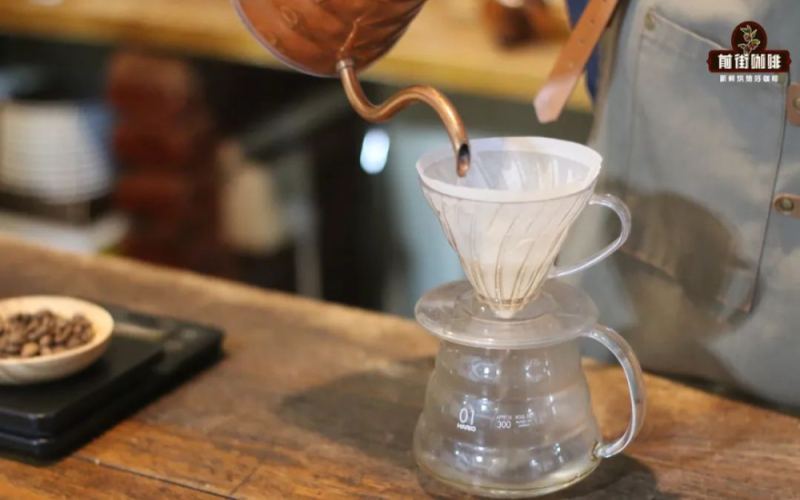
Four key preparations before pour-over brewing: filter paper fitting, water temperature control, grinding timing, and coffee grounds recheck
To brew a consistently delicious pour-over coffee, the key is to eliminate as many uncertainties as possible before brewing. Many enthusiasts tend to overlook some details during the preparation stage, which leads to uneven extraction and flavor deviation. Drawing on daily observations and the practical experience of enthusiastic friends, Front Street Coffee has compiled four easily overlooked preparation steps: how well the filter paper fits the dripper directly affects degassing and flow; once the water temperature is confirmed, you should pour as soon as possible to avoid the temperature in the kettle continuously dropping; grinding is best left as the last step to reduce the loss of coffee aromatics; after grinding, you should also double-check the coffee dose, because the grinder may retain or spit out grounds, and a deviation of ±0.5g is enough to change the final flavor. These seemingly minor steps often determine the success or failure of the entire cup. [more…]
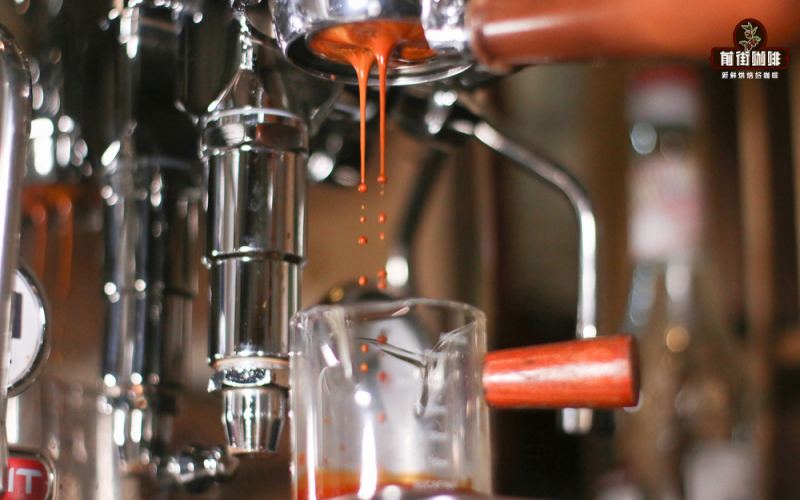
Espresso Extraction Parameters | What is the golden extraction ratio for espresso? What are the specific steps for extracting espresso?
Front Street Coffee has always emphasized that the extraction parameters for pour-over coffee have a significant impact on the cup, and for espresso the impact is even greater. You should know that factors such as the concentration and extraction time of espresso are more demanding than those of pour-over coffee, and the slightest [more…]
The Beginner's Must-Learn One-Pour Center-Pour Method: Yirgacheffe Red Honey Process V60 Brewing Parameters and Flavor Analysis
Pour-over coffee may seem complicated, but there is actually a low-effort yet stable extraction method—the single-pour center pour. It doesn't require segmented circling; simply keep pouring continuously after the bloom, making it especially suitable for those new to pour-over. This article uses the Yirgacheffe Red Honey Red Cherry recommended by Front Street Coffee as an example, first introducing the classification of honey processing and the proportion of pectin retained, then using the Hario V60 dripper to conduct a comparative brewing of two different grind sizes: a coarse grind BG-7K paired with a longer pouring time, and a fine grind BG-6M paired with a shorter pouring time, to experience the flavor differences under the same coffee-to-water ratio and water temperature. The article also explains in detail how the V60's rib structure affects flow rate, and why pouring stability is far more important than fancy techniques. [more…]
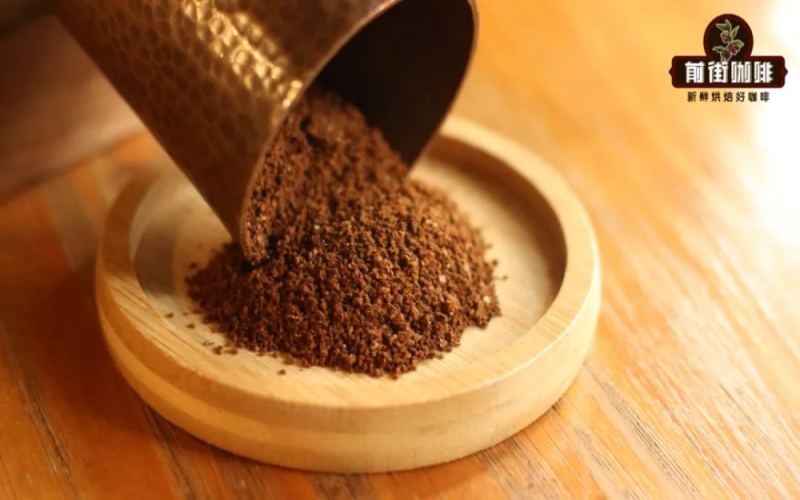
How Long Is the Shelf Life of Ground Coffee? An In-Depth Look at the Causes of Flavor Loss After Grinding and Practical Ways to Extend Freshness
Once coffee beans are ground into powder, their optimal flavor period is significantly shortened to less than a month, whereas whole beans can maintain good flavor for two months. The key reason behind this lies in the accelerated loss of carbon dioxide. Front Street Coffee has verified this phenomenon through dedicated experiments and summarized practical suggestions such as sealed packaging, reducing the number of times the package is opened, and a reasonable storage environment, to help coffee enthusiasts retain the aroma of ground coffee as much as possible in daily brewing. This article will analyze in detail the mechanism of flavor degradation after grinding and provide specific, actionable preservation methods. [more…]
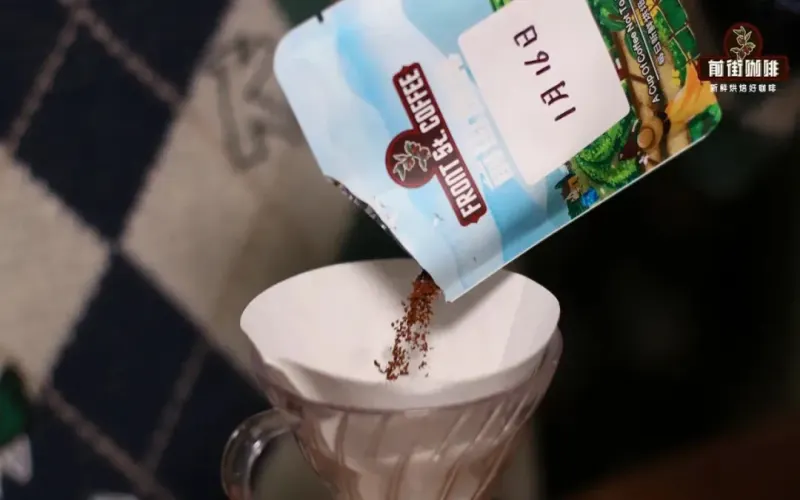
How Long Can Coffee Beans Retain Their Flavor After Being Ground into Powder? An Analysis of Aroma Changes and Preservation Methods in an Unsealed State
Once coffee beans are ground into powder, their intact structure is destroyed, the surface area increases nearly a thousandfold, and the rate at which flavor compounds are lost accelerates dramatically. Even with proper storage, the shelf life of ground coffee falls far short of that of whole beans—usually less than half. Front Street Coffee has previously shared content on how long ground coffee can be kept under sealed conditions, and afterward a reader raised a question in the comments: if ground coffee is not sealed, how will its aroma change over a short period? To answer this question, Front Street Coffee decided to conduct an experiment to observe the differences between coffees brewed from grounds produced at different times—in other words, to investigate how long coffee beans, once ground, can actually be kept without sealing. [more…]

Should coffee beans be ground in advance? Examining the flavor differences between freshly ground and pre-ground coffee through a freshness experiment
Many friends, to save effort, ask the merchant to grind the coffee beans into powder directly when buying. But after grinding, how long can the coffee's flavor be preserved? And how should it be stored properly? Drawing on long-term experience and comparative experiments, Front Street starts from the coffee beans' flavor window, analyzes the loss patterns of carbon dioxide and aromatic compounds after grinding, and uses a bag of washed Yirgacheffe for day-by-day testing, recording the dry aroma, blooming performance, and flavor changes from freshly ground to after several days of storage, helping you judge whether pre-ground coffee powder is worth buying, and how to retain that fresh aroma as much as possible. [more…]
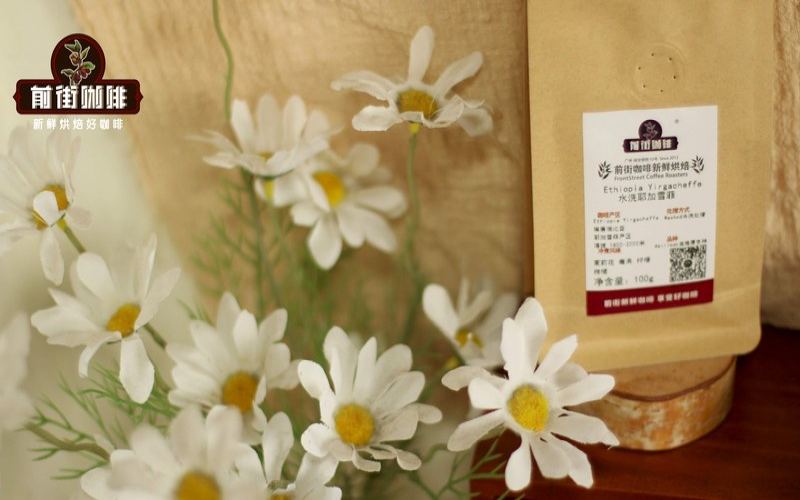
The roast level of hand-ground coffee beans determines the flavor
When hand-grinding coffee beans, the roast level is a very useful screening clue. As the beans go from light to dark, the aroma, acidity, body, and aftertaste in the cup all gradually shift their focus. If you like bright fruity notes, pay attention to light roasts; if you want soft sweetness and a balanced taste, medium roasts are easier to accept; if you prefer something rich and full-bodied, you can [more…]
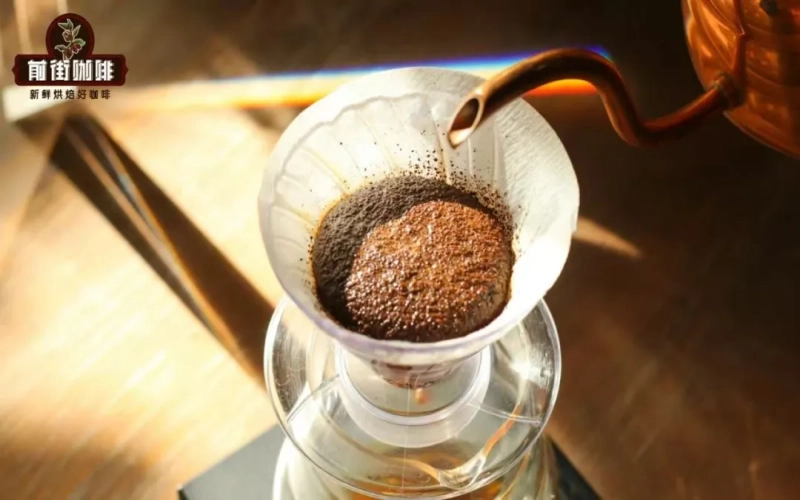
Should you rinse the filter paper with hot water before brewing? Practical details on water quality, blending, and grinder cleaning
Besides the coffee-to-water ratio, water temperature, and pouring technique, the final flavor of a cup of coffee is also influenced by many easily overlooked steps. Drawing on Front Street Coffee's practical experience, this article outlines four operational details worth paying attention to: whether the paper filter needs to be pre-wetted with hot water, how the hardness of the brewing water affects extraction, whether the coffee liquid should be swirled after dripping, and how to simply clean the grinder before grinding to avoid flavor carryover. These seemingly minor steps often inadvertently change the aroma, mouthfeel, and cleanliness of the coffee. Whether you prefer espresso or pour-over, you can find ideas here to optimize your daily brewing. [more…]
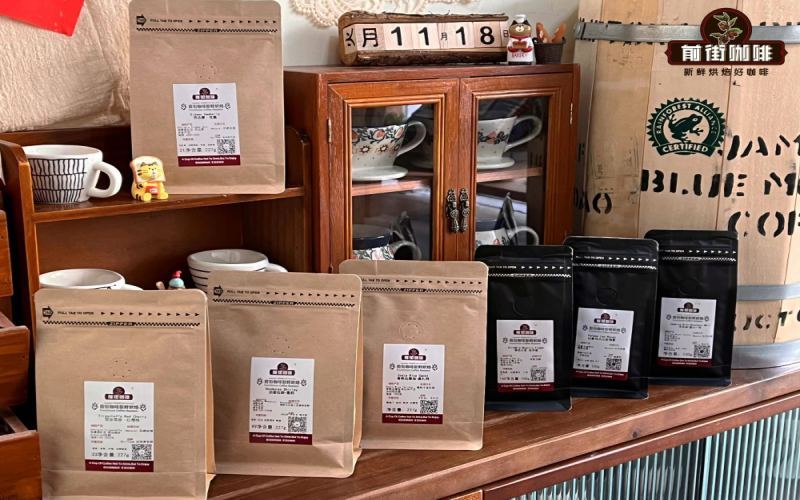
French Press Coffee Grounds-to-Water Ratio and Steeping Time Explained: A Complete Brewing Guide from Grind Size to Flavor
The French press, with its simple operation, no need for paper filters, and ability to retain coffee oils, has become the daily first choice for many coffee lovers. But to consistently produce a good cup of coffee, the coffee-to-water ratio, grind size, water temperature, and steeping time all need to be precisely controlled. This article focuses on the extraction principles and flavor characteristics of the French press, explains in detail the suitable roasting direction for coffee beans used in a French press, and uses the practical parameters of 15 grams of coffee to 240 grams of water as an example to break down the complete steps from pouring water and stirring to pressing and pouring out. It also shares Front Street Coffee's bean list recommendations and brewing key points to help you easily make a cup of rich, sweet, and layered French press coffee. [more…]
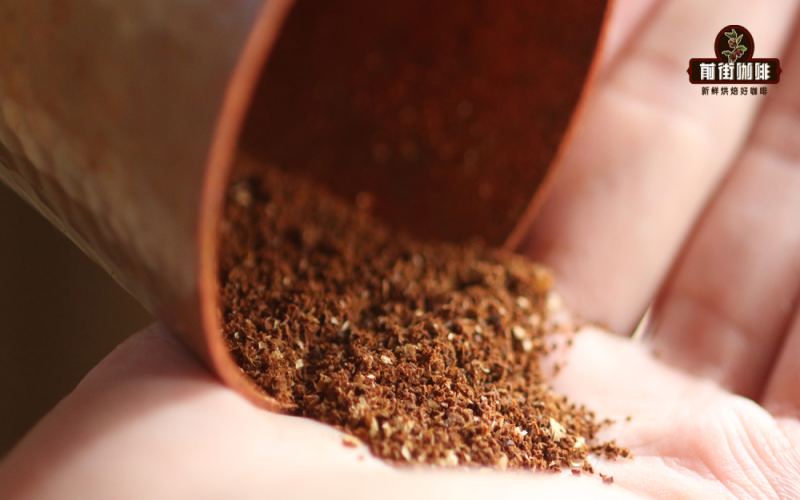
Three Major Causes of Coffee Ground Quality Decline and Practical Storage Tips to Extend Freshness
The freshness of ground coffee directly determines the quality of the flavor in your cup. Starting from the gas release patterns of coffee beans after roasting, this article provides a detailed analysis of how the three major factors—oxygen, moisture, and high temperature—accelerate the deterioration of ground coffee quality, and shares Front Street Coffee's storage recommendations. At the same time, through Front Street's comparative experiments and day-by-day flavor tests of Yirgacheffe, it reveals the timeline of aroma loss after coffee is ground into powder, helping you retain as much of coffee's essential aroma as possible in your daily brewing. [more…]
Why Is There No Golden Crema in Pour-Over Coffee? Explaining Everything from Extraction Principles to Filter Media Choice
Many people think that pour-over coffee has no crema. In fact, it is not entirely absent—it is just that most of it is blocked by the paper filter, and what remains exists in the form of mouthfeel. This article begins with the definition of coffee crema, explains why espresso can bring out a golden crema layer, and analyzes how bean variety and roast level affect the amount of crema. It then focuses on the pour-over scenario, explaining how paper filters intercept crema, the respective pros and cons of metal filters and cloth filters, and how to choose if you want to retain crema. The article retains several Front Street Coffee bean lists and blending suggestions to help enthusiasts choose as needed. [more…]
How to Use a French Press Correctly? From Extraction Principles to a Practical Guide with Costa Rica Mozart
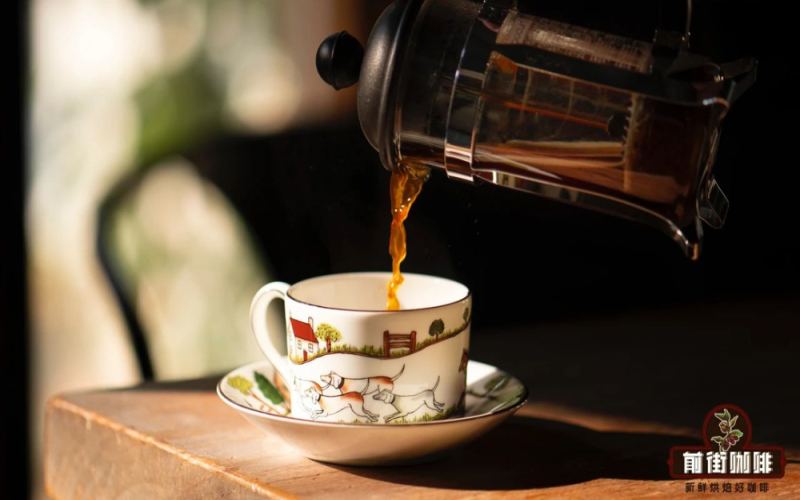
For coffee beginners who have not yet mastered pour-over techniques, which brewing tool is the easiest to get started with? In its daily recommendations, Front Street Coffee often puts the French press first—it has a simple structure and a low operational threshold, yet it can produce a full-bodied cup of coffee. This article explains the origins of the French press, its immersion extraction mechanism, the flavor differences between it and pour-over coffee, and the specific operating process. It also uses the Costa Rica Musician Series Mozart coffee beans selected by Front Street as an example, providing complete parameters for coffee dose, coffee-to-water ratio, grind size, water temperature, and steeping time, helping readers quickly master this seemingly plain yet detail-rich device. [more…]
How to choose coffee beans for a French press? From extraction principles to practical operation, a detailed explanation of whether a French press is suitable for beginners.
The French press is an immersion-style coffee brewing device with an extremely low barrier to entry, making it ideal for coffee enthusiasts who have not yet mastered pour-over techniques. It filters through a metal mesh, which retains more coffee oils, delivering a fuller body than pour-over while showcasing the flavors of the coffee beans themselves to the greatest extent. This article starts with the origins and extraction principles of the French press, analyzes reasonable parameters for its steeping time, water temperature, and grind size, explains the taste characteristics of French press coffee, and uses Costa Rica Mozart coffee beans as an example to demonstrate the complete French press process and flavor performance, helping readers fully understand what kinds of coffee beans suit the French press and what to pay attention to when brewing. [more…]
How to Choose Nutty Chocolate Flavors: A Coffee Bean Guide from Light to Dark Roast
If you want to drink coffee with notes of nuts, cocoa, and caramel, the roast level is a very practical entry point for judgment. Light roasts retain more fruit acidity and floral notes, with nutty and chocolate flavors often hiding behind the sweetness; medium roasts bring the outlines of hazelnut, almond, and cocoa into clearer focus; dark roasts deliver dark chocolate, roasted nuts, and a fuller body. No [more…]